
ORIGINALITY as ONE of a KIND
Some years ago the art market became flooded with zillions of prints to such a degree that they 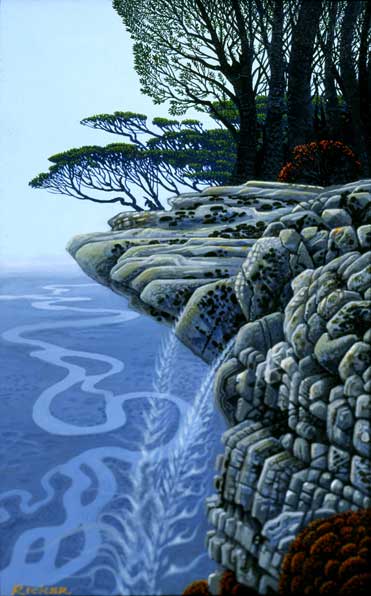 began to be seen as lacking originality and investment value. Galleries began to emphasize originals—that is, original one of a kind paintings—as the remedy. However, as the demand by galleries for original paintings increased, artists were pressured more and more to paint in a kind of rapid assembly line method where one simple idea is repeated hundreds or even thousands of times with minor variations. The careful craftsmanship of the classical painter morphs into the athleticism of the pizza maker. The emphasis on being an original reminds us that for a while an issue of paramount importance to galleries and collectors was whether an artwork was “archival”or not. Talk about a litmus test! Of course we want quality, but we should be a little suspicious of one word definitions of quality promoting easy reassurance and a quick sale. In the end, this quest for authenticity can result in “original” paintings without much investment value, nor indeed much originality. When we consider purchasing original art or some kind of multiple, we would be well advised to consider less whether it is “art” or not, and more whether it is good.
ORIGINALITY as ARTISTIC INNOVATION
Millions of paintings and prints are sold each year in this land, most of them 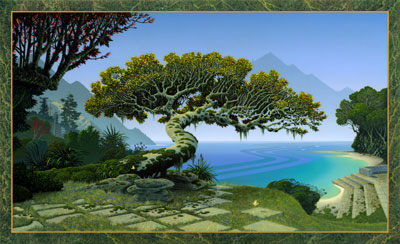 because they are stylish in some way. There is certainly nothing wrong with this—being stylish can be a great joy. On the street we must all try to be a little stylish, otherwise people may point at us and laugh. But when we buy very stylish art for our home, the time will come when it is very much out of style and in the back of the closet. Art that is not stylish but is novel, innovative, and shows strong individuality never goes out of style because it was never in style. Truly great art completely transcends style. Understanding this, we believe, is the secret to getting the most out of your art in the long run.


